
About Us
Exohive Digital — AI-powered GPS tracking and fleet management solutions for businesses and families across India.
Exohive Digital — AI-powered GPS tracking and fleet management solutions for businesses and families across India.
When an incident happens on the road — an accident, a dispute, a near-miss — your word means nothing without footage. Exohive's Video Telematics Solution puts AI-powered cameras inside and outside every vehicle, streams footage live to your cloud dashboard, and automatically flags dangerous driving events the moment they occur. It's not just recording. It's real-time intelligence on every trip. Live streaming. AI-powered driver monitoring. Cloud-stored evidence. All in one platform.
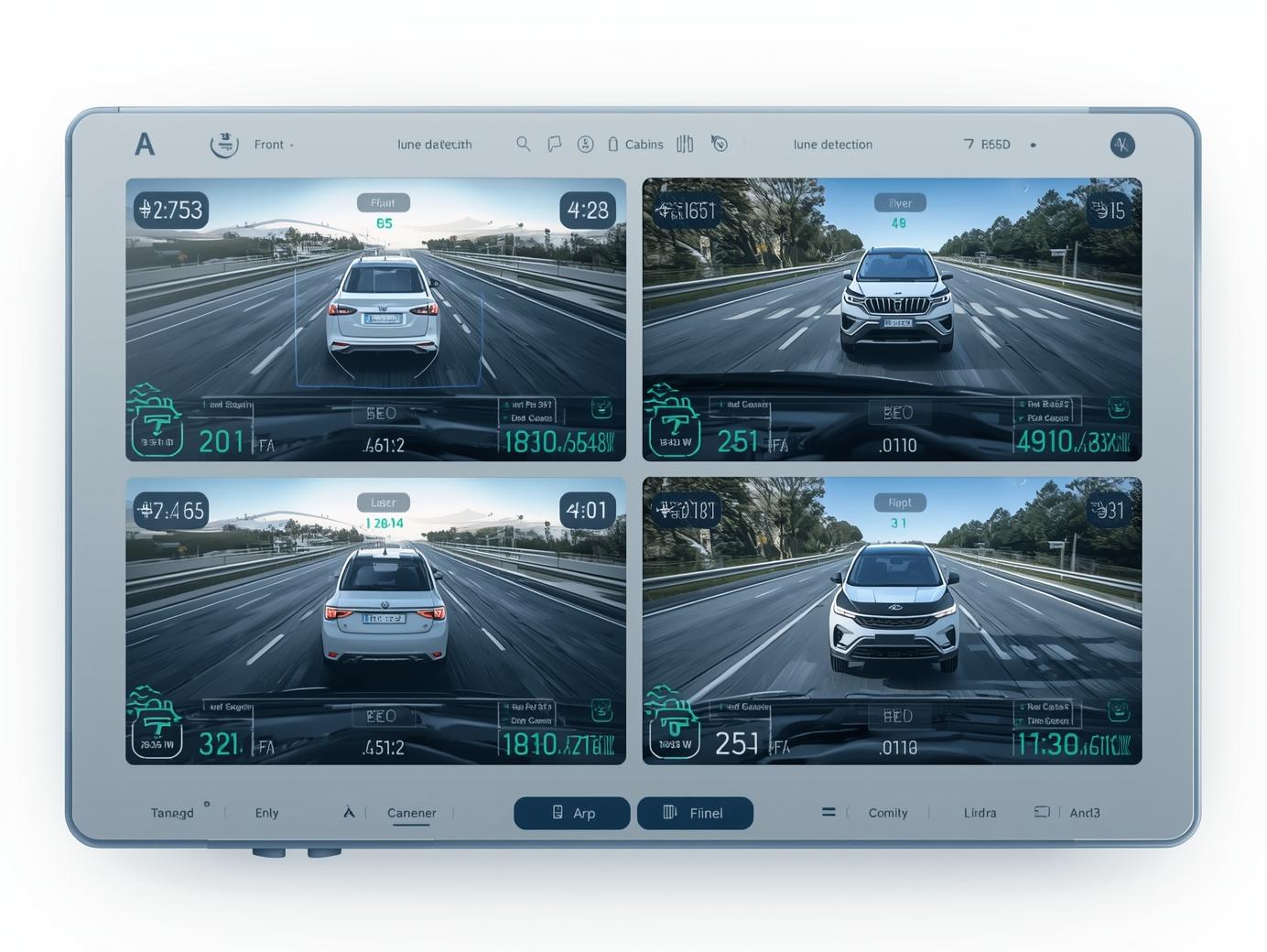
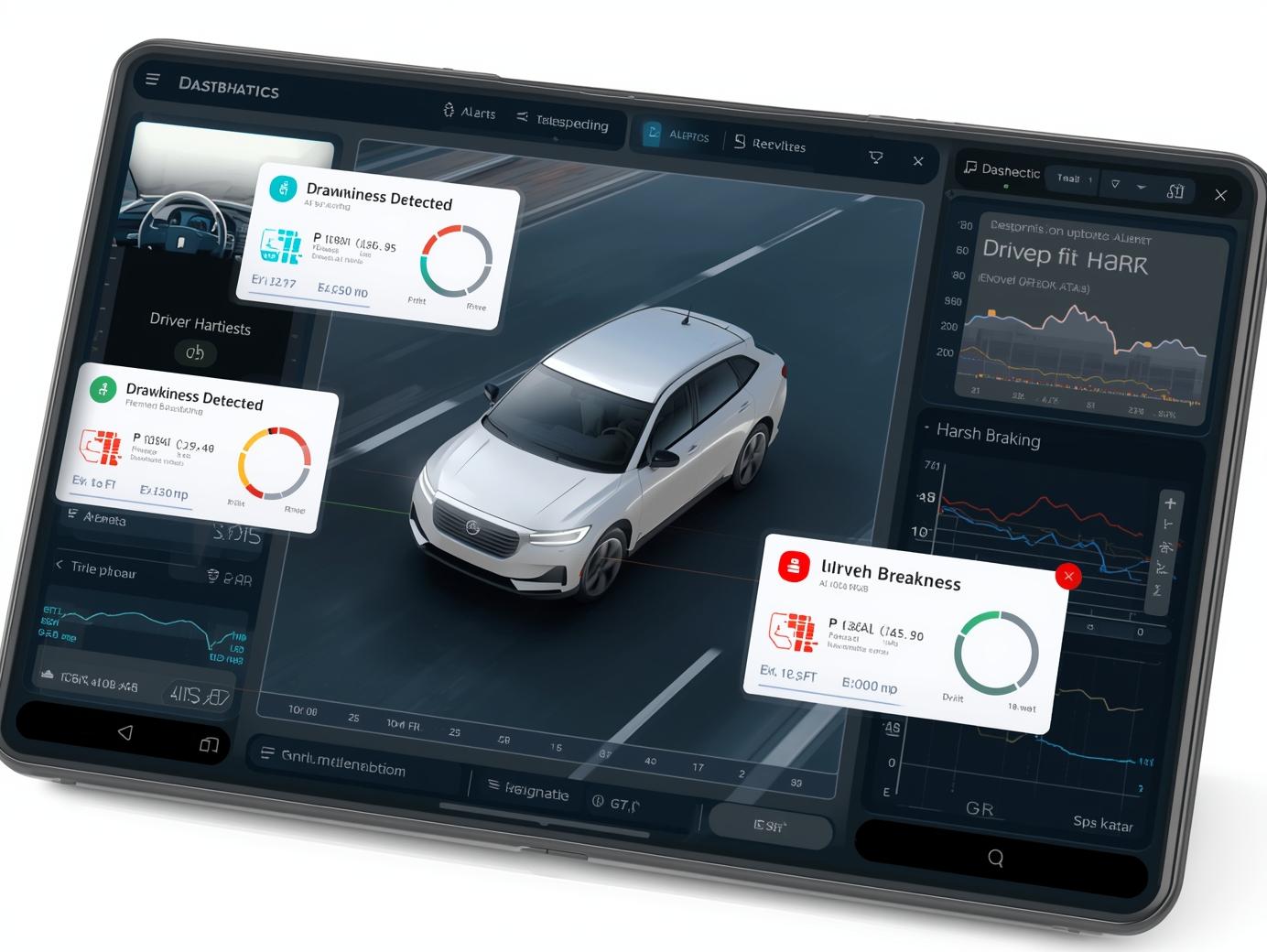
The driver-facing camera uses AI vision to detect behaviours that cause accidents: eyes off road, phone usage, drowsiness, smoking, and seatbelt non-compliance. When detected, the system triggers an in-cabin audio alert to the driver instantly — and simultaneously notifies the fleet manager.
For long-haul routes where fatigue is the leading cause of highway accidents in India, this is the difference between a close call and a fatal incident.
Behaviour data is scored per driver and surfaced in weekly reports — so you know exactly who needs coaching, without watching hours of footage.
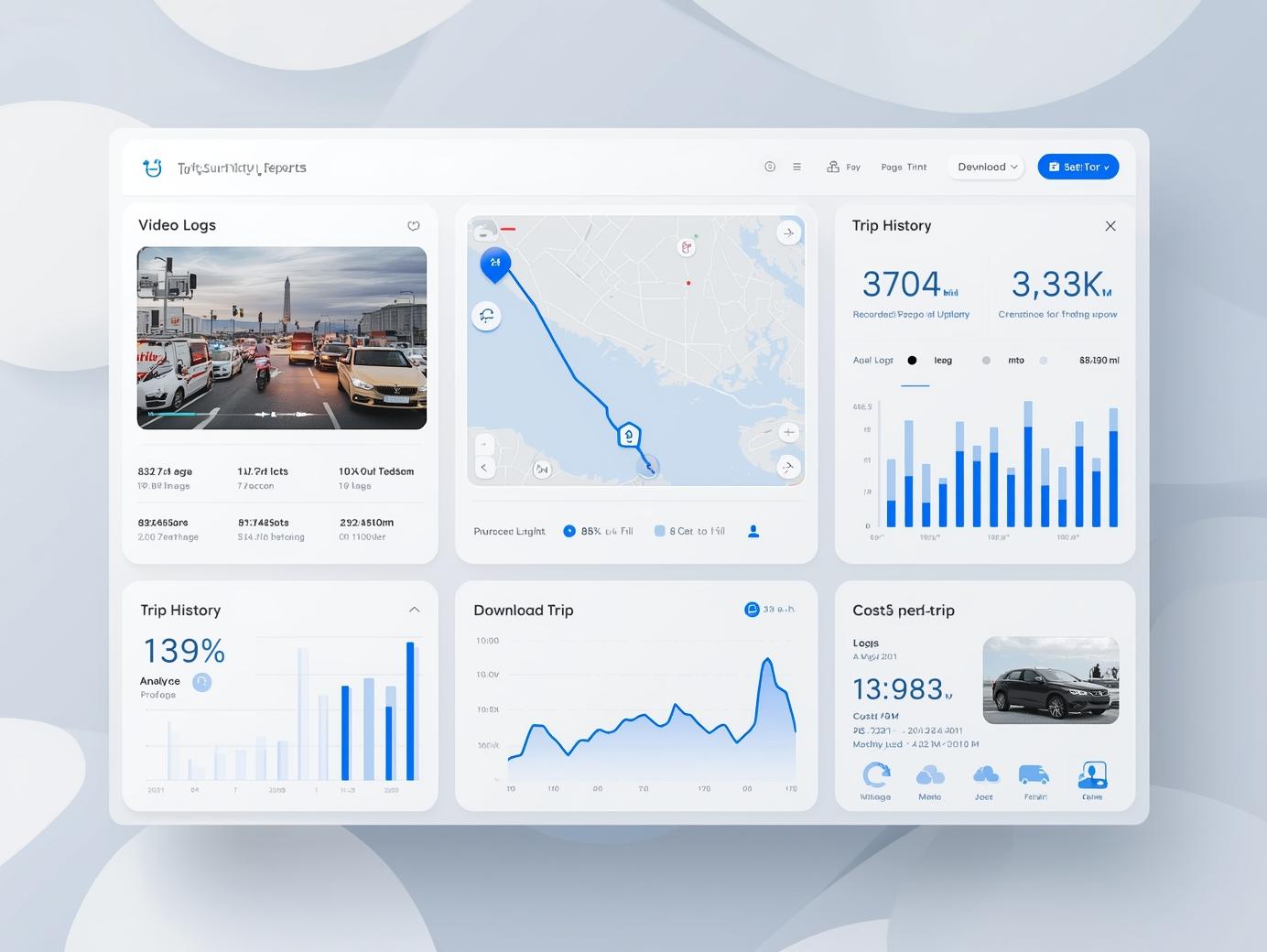
When an event is triggered — hard braking, collision, harsh cornering, or a manual SOS — the system auto-saves a 30-second clip (15 seconds pre-event, 15 post-event) to the cloud. This footage is encrypted, timestamped, and GPS-tagged.
In insurance disputes or police complaints, this footage is immediately accessible and verifiable. Many fleet operators using video telematics have seen motor insurance premiums reduced by insurers who offer discounts for certified dashcam programmes.
30-day rolling cloud storage included. Extended storage options available on request.
The AI driver monitoring system currently detects: driver drowsiness, eyes-off-road, phone usage while driving, smoking, seatbelt non-compliance, and sudden distraction. It does not claim to detect every situation — it flags statistically high-risk events. All detections are available for manual review before any driver action is taken.
The system uses an integrated SIM with optimised video compression. Live streaming consumes approximately 1.5–3 GB per camera per day on continuous mode. You can configure event-triggered recording instead of continuous streaming to reduce data usage significantly. SIM data plans are available through Exohive.
Driver monitoring in commercial vehicles for safety purposes is legally permissible in India under the Motor Vehicles Act framework, provided employees are informed. We recommend including a camera monitoring clause in driver contracts. Exohive provides a standard disclosure template on request.
Footage is written to onboard SD storage first, then synced to cloud. If the device is physically tampered with or the SIM is removed, the system sends a tamper alert with last known GPS location. Footage already written to SD is preserved.
Video telematics footage provides time-stamped, GPS-verified evidence of events before, during, and after an incident. This significantly accelerates claim settlements and protects your fleet from fraudulent third-party claims — a growing issue on Indian highways. Some insurers now accept Exohive footage as primary evidence.
The AI driver monitoring system currently detects: driver drowsiness, eyes-off-road, phone usage while driving, smoking, seatbelt non-compliance, and sudden distraction. It does not claim to detect every situation — it flags statistically high-risk events. All detections are available for manual review before any driver action is taken.
The system uses an integrated SIM with optimised video compression. Live streaming consumes approximately 1.5–3 GB per camera per day on continuous mode. You can configure event-triggered recording instead of continuous streaming to reduce data usage significantly. SIM data plans are available through Exohive.
Driver monitoring in commercial vehicles for safety purposes is legally permissible in India under the Motor Vehicles Act framework, provided employees are informed. We recommend including a camera monitoring clause in driver contracts. Exohive provides a standard disclosure template on request.
Footage is written to onboard SD storage first, then synced to cloud. If the device is physically tampered with or the SIM is removed, the system sends a tamper alert with last known GPS location. Footage already written to SD is preserved.
Video telematics footage provides time-stamped, GPS-verified evidence of events before, during, and after an incident. This significantly accelerates claim settlements and protects your fleet from fraudulent third-party claims — a growing issue on Indian highways. Some insurers now accept Exohive footage as primary evidence.