
About Us
Exohive Digital — AI-powered GPS tracking and fleet management solutions for businesses and families across India.
Exohive Digital — AI-powered GPS tracking and fleet management solutions for businesses and families across India.
Managing 5 vehicles is hard. Managing 50 is chaos — without the right system. Exohive's Fleet Management Solution connects GPS tracking, maintenance scheduling, driver behaviour analytics, route intelligence, and reporting into a single platform. Whether you're running a last-mile delivery operation in Noida or a logistics company across three states, you get complete visibility and control — in real time. Live tracking. Smarter routes. Fewer breakdowns. Lower costs. One platform does it all.

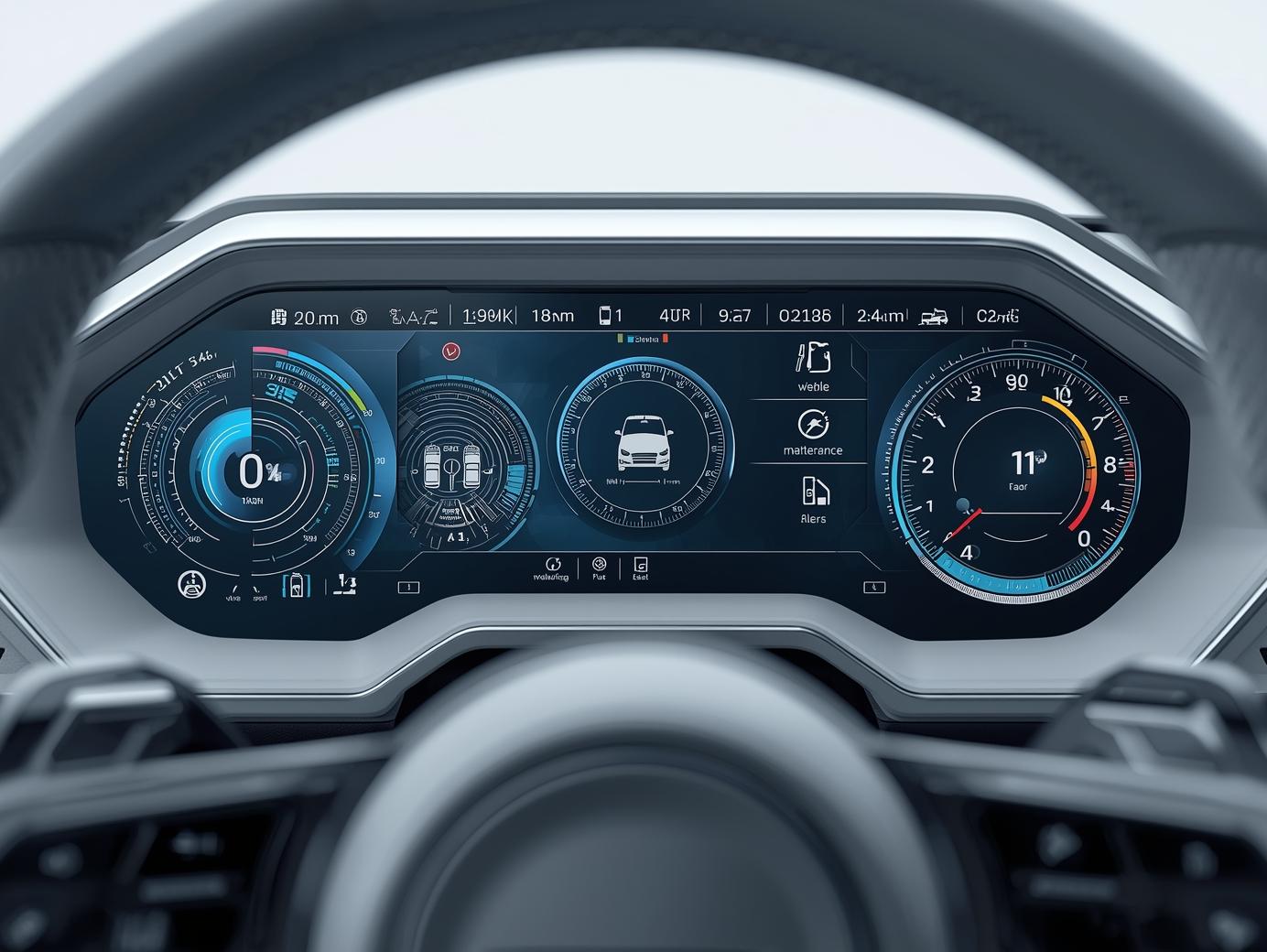
Every vehicle is tracked with sub-30-second location updates via GPS + GLONASS. View current position, speed, direction, and trip history on a live map. Set geofences around depots, delivery zones, restricted areas, or customer sites — and get instant alerts if any vehicle enters or exits without authorisation.
For fleet managers dealing with driver detour behaviour, unauthorised use after hours, or vehicle theft, geofencing is your first line of defence.
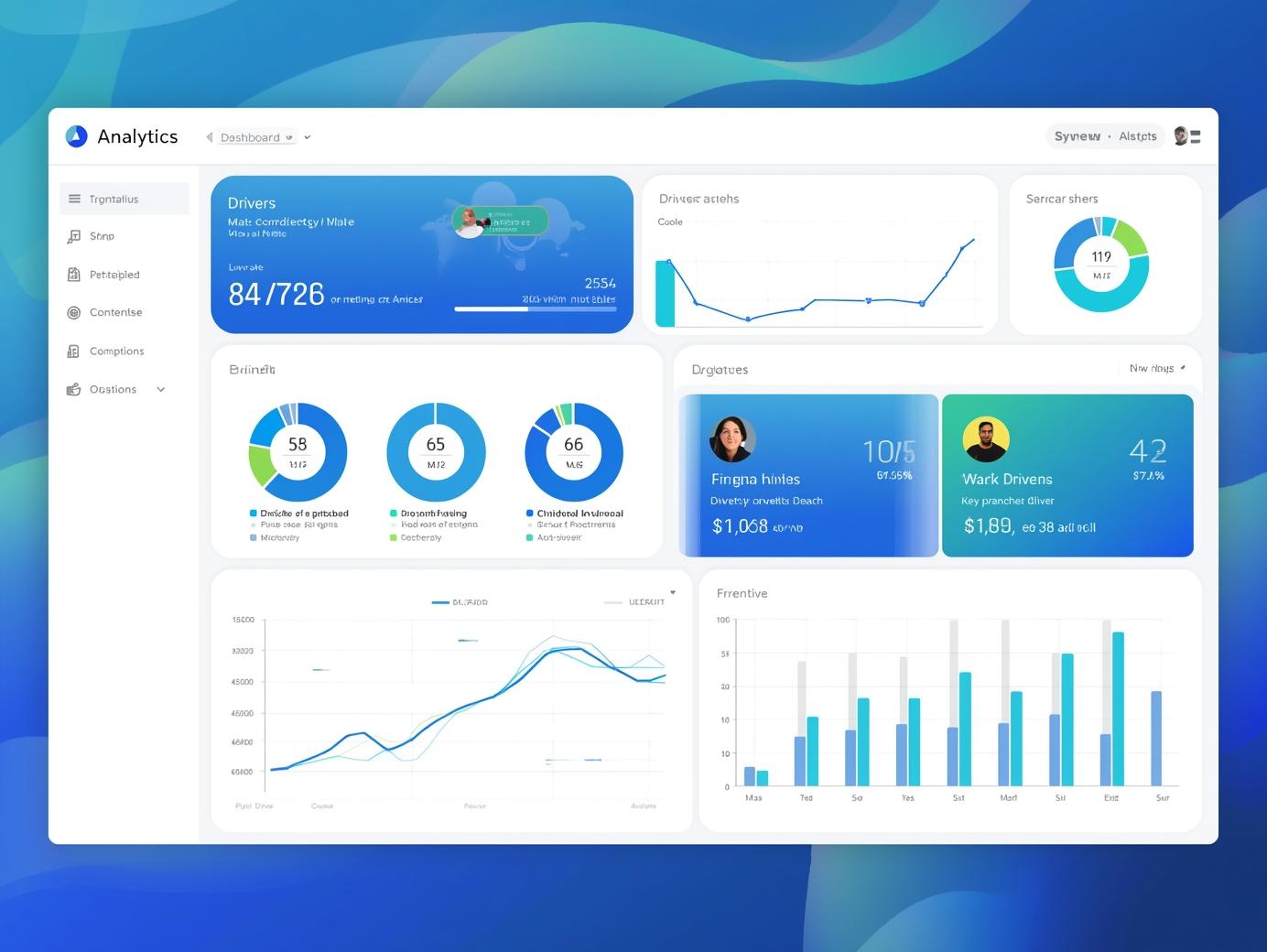
Every trip generates a driver score based on hard braking events, acceleration patterns, speeding instances, idle time, and route adherence. Drivers are ranked weekly. Your best performers are visible — and so are the ones costing you in fuel, tyres, and insurance.
Sharing scores with drivers consistently reduces aggressive driving behaviour within 30–60 days. Pair it with a recognition programme and you have a self-reinforcing safety culture — without needing a separate fleet safety manager.
Basic trackers show you where a vehicle is. Exohive shows you what it's doing, why it's costing what it costs, and what's likely to go wrong next week. The difference is data depth — location plus OBD engine data, driver behaviour, fuel consumption, maintenance status, and automated reporting — all connected in one platform.
Exohive supports RFID driver tags — each driver taps their tag on the reader before starting the trip. The system automatically links that trip to the driver's profile. Behaviour scores, incidents, and history are tracked per driver, not per vehicle — even if they change vehicles every day.
The platform logs every trip with start point, end point, distance, timestamps, and route taken — data that aligns with e-way bill requirements for goods transport. We can also generate trip reports in formats compatible with logistics compliance documentation. Direct e-way bill portal integration is on our product roadmap.
The system detects disconnection or signal loss immediately and sends an alert. For theft scenarios, you get real-time last location, and the vehicle can be remotely immobilised via the dashboard — preventing the engine from restarting. Immobilisation is available as an add-on feature.
Yes. Exohive offers white-label fleet management platform access for transport operators, logistics service providers, and channel partners. Your clients get a branded dashboard, and you get the underlying intelligence. Speak to our partnerships team for details.
When an incident happens on the road — an accident, a dispute, a near-miss — your word means nothing without footage. Exohive's Video Telematics Solution puts AI-powered cameras inside and outside every vehicle, streams footage live to your cloud dashboard, and automatically flags dangerous driving events the moment they occur. It's not just recording. It's real-time intelligence on every trip. Live streaming. AI-powered driver monitoring. Cloud-stored evidence. All in one platform.
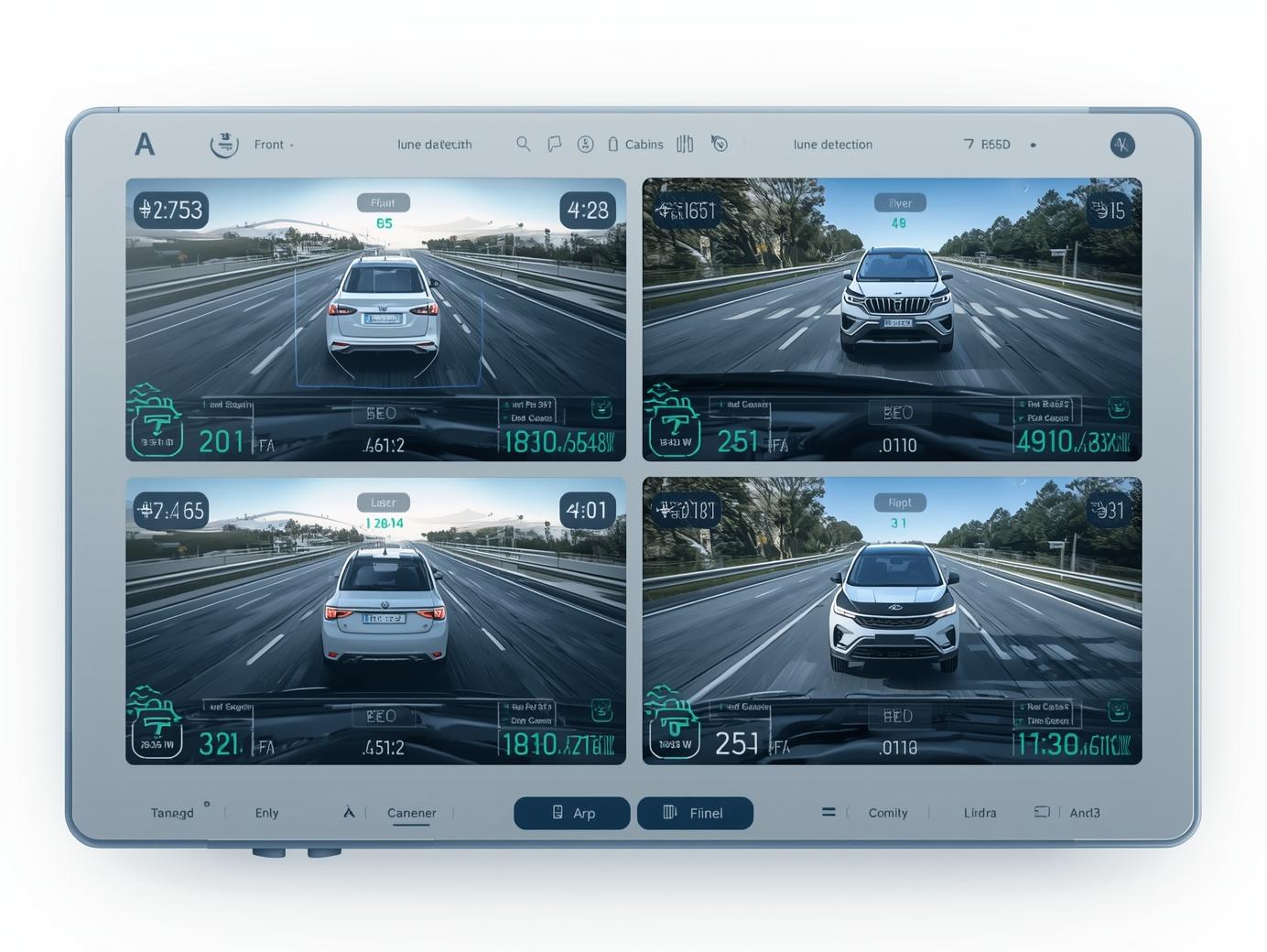
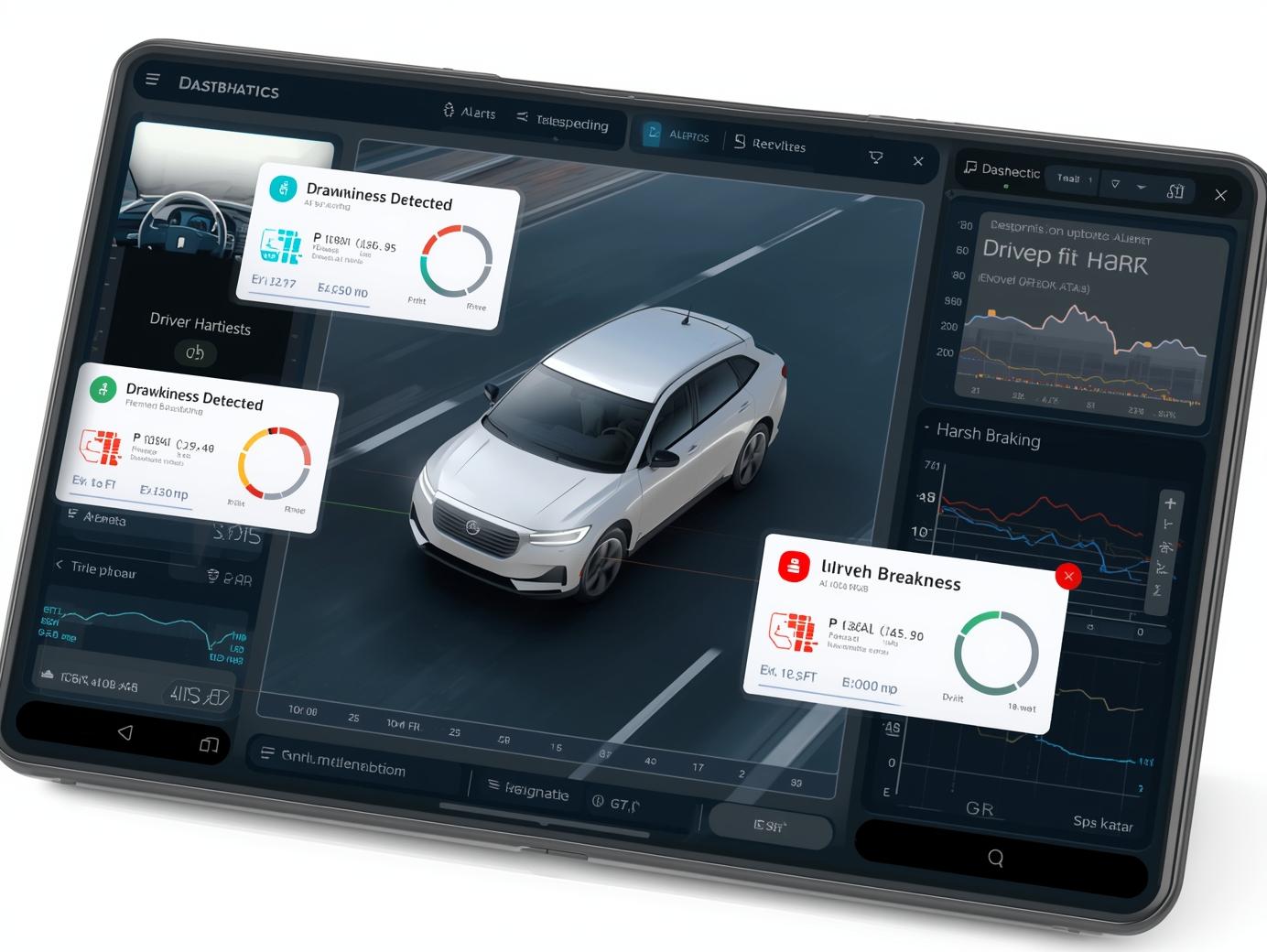
The driver-facing camera uses AI vision to detect behaviours that cause accidents: eyes off road, phone usage, drowsiness, smoking, and seatbelt non-compliance. When detected, the system triggers an in-cabin audio alert to the driver instantly — and simultaneously notifies the fleet manager.
For long-haul routes where fatigue is the leading cause of highway accidents in India, this is the difference between a close call and a fatal incident.
Behaviour data is scored per driver and surfaced in weekly reports — so you know exactly who needs coaching, without watching hours of footage.
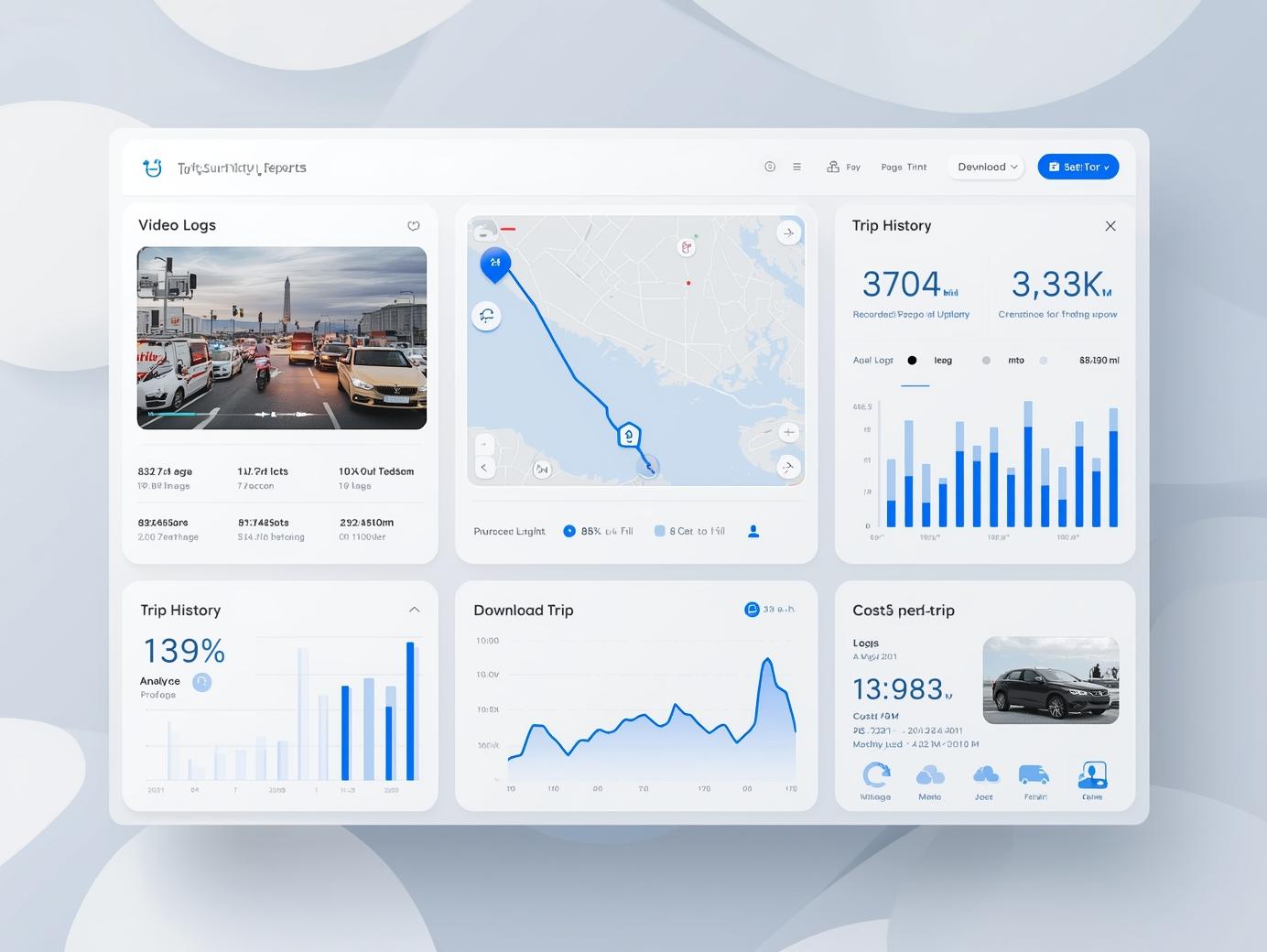
When an event is triggered — hard braking, collision, harsh cornering, or a manual SOS — the system auto-saves a 30-second clip (15 seconds pre-event, 15 post-event) to the cloud. This footage is encrypted, timestamped, and GPS-tagged.
In insurance disputes or police complaints, this footage is immediately accessible and verifiable. Many fleet operators using video telematics have seen motor insurance premiums reduced by insurers who offer discounts for certified dashcam programmes.
30-day rolling cloud storage included. Extended storage options available on request.
The AI driver monitoring system currently detects: driver drowsiness, eyes-off-road, phone usage while driving, smoking, seatbelt non-compliance, and sudden distraction. It does not claim to detect every situation — it flags statistically high-risk events. All detections are available for manual review before any driver action is taken.
The system uses an integrated SIM with optimised video compression. Live streaming consumes approximately 1.5–3 GB per camera per day on continuous mode. You can configure event-triggered recording instead of continuous streaming to reduce data usage significantly. SIM data plans are available through Exohive.
Driver monitoring in commercial vehicles for safety purposes is legally permissible in India under the Motor Vehicles Act framework, provided employees are informed. We recommend including a camera monitoring clause in driver contracts. Exohive provides a standard disclosure template on request.
Footage is written to onboard SD storage first, then synced to cloud. If the device is physically tampered with or the SIM is removed, the system sends a tamper alert with last known GPS location. Footage already written to SD is preserved.
Video telematics footage provides time-stamped, GPS-verified evidence of events before, during, and after an incident. This significantly accelerates claim settlements and protects your fleet from fraudulent third-party claims — a growing issue on Indian highways. Some insurers now accept Exohive footage as primary evidence.
The AI driver monitoring system currently detects: driver drowsiness, eyes-off-road, phone usage while driving, smoking, seatbelt non-compliance, and sudden distraction. It does not claim to detect every situation — it flags statistically high-risk events. All detections are available for manual review before any driver action is taken.
The system uses an integrated SIM with optimised video compression. Live streaming consumes approximately 1.5–3 GB per camera per day on continuous mode. You can configure event-triggered recording instead of continuous streaming to reduce data usage significantly. SIM data plans are available through Exohive.
Driver monitoring in commercial vehicles for safety purposes is legally permissible in India under the Motor Vehicles Act framework, provided employees are informed. We recommend including a camera monitoring clause in driver contracts. Exohive provides a standard disclosure template on request.
Footage is written to onboard SD storage first, then synced to cloud. If the device is physically tampered with or the SIM is removed, the system sends a tamper alert with last known GPS location. Footage already written to SD is preserved.
Video telematics footage provides time-stamped, GPS-verified evidence of events before, during, and after an incident. This significantly accelerates claim settlements and protects your fleet from fraudulent third-party claims — a growing issue on Indian highways. Some insurers now accept Exohive footage as primary evidence.
Fuel is your fleet's single largest operating cost — and your biggest vulnerability. Exohive's Fuel Monitoring Solution installs directly on your vehicles, connects to precision IoT sensors, and gives you a live, tamper-proof view of every litre entering and leaving each tank. No more estimated logs. No more driver guesswork. No more silent theft.
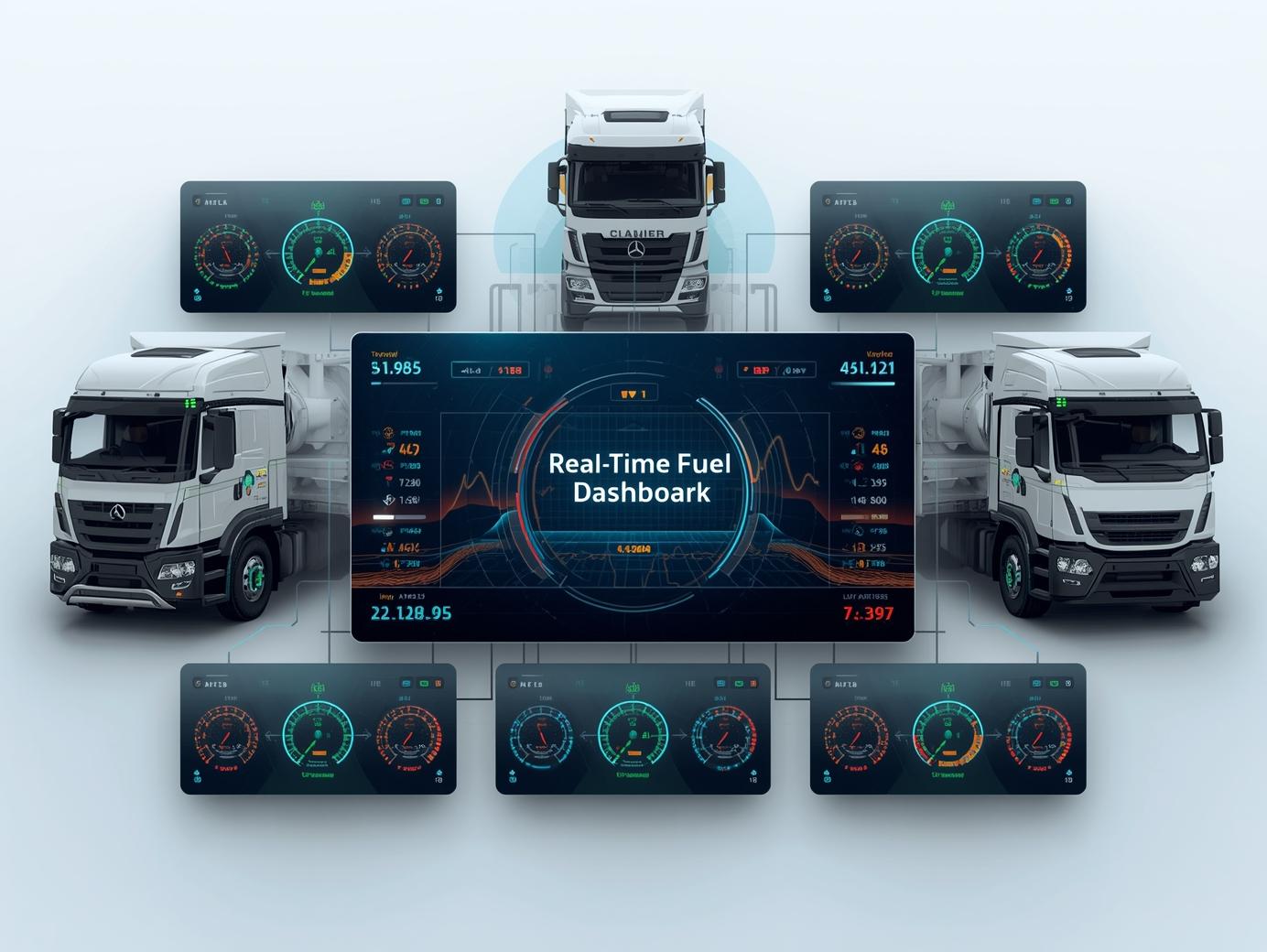
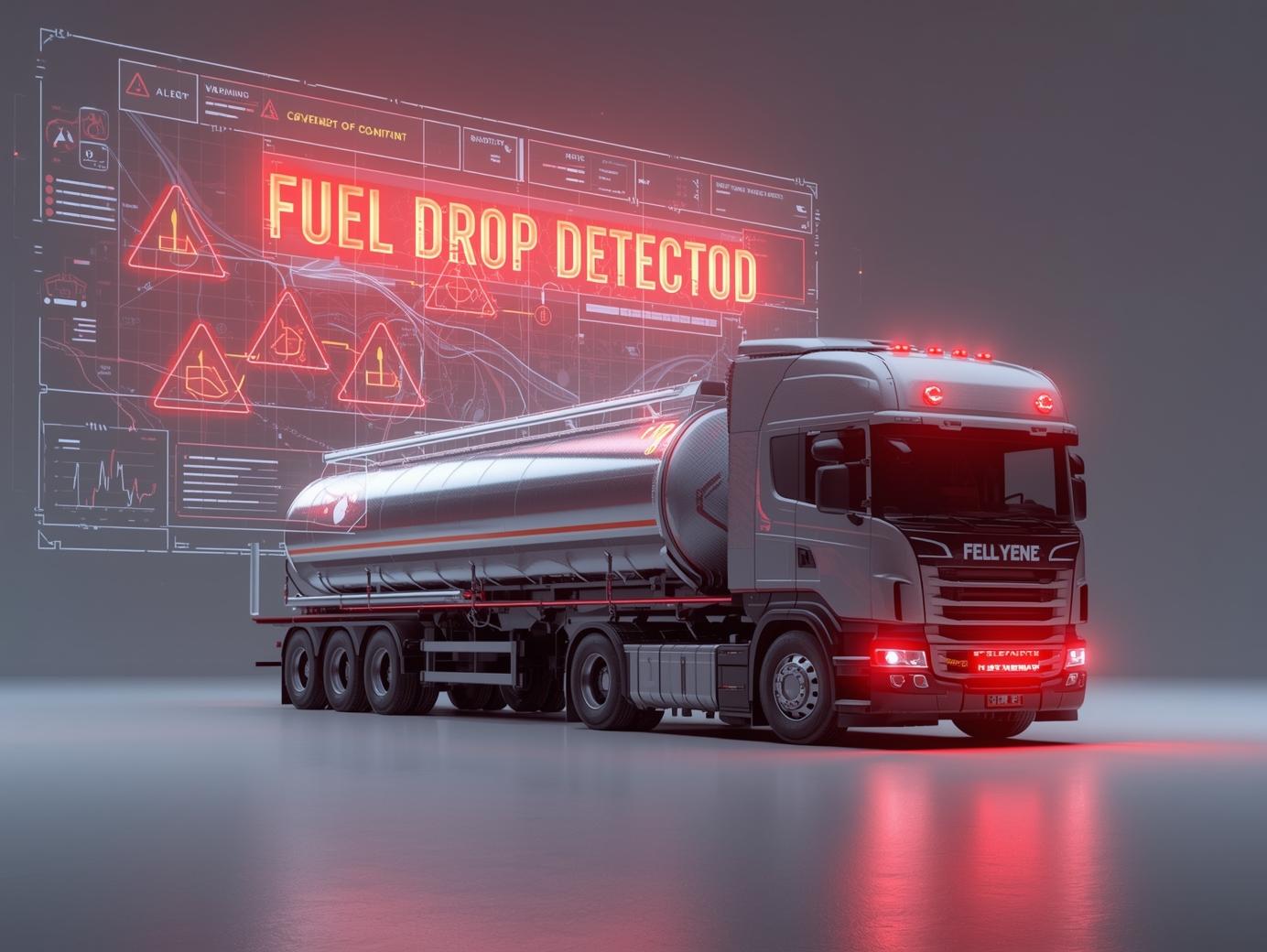
Capacitive fuel sensors installed in each tank send live level readings to your Exohive dashboard at configurable intervals. Whether it's a 10-tonne truck parked at a depot in Haryana or a generator at a construction site in Pune, you see the exact fuel percentage, tank capacity, and consumption rate — all in one place.
No more waiting for driver reports. No more reconciling paper logs at end of day. The data is live, accurate to within 2%, and accessible from your phone.
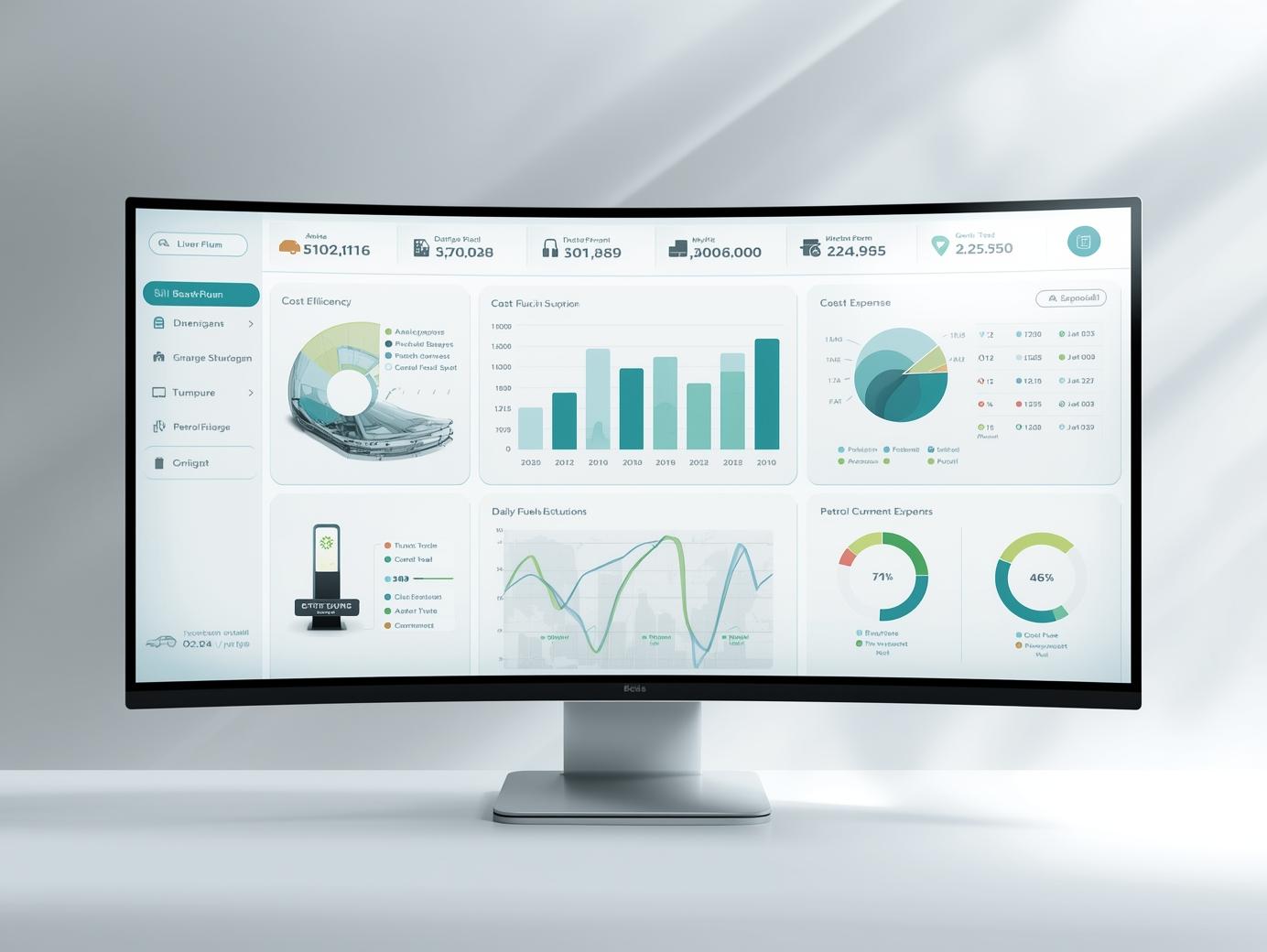
Daily fuel consumption reports break down usage by vehicle, route, driver, and trip. You'll instantly see which vehicles are underperforming against expected mileage, which routes are fuel-heavy, and whether your refill patterns at specific fuel stations show irregularities.
Over 30 days, this data paints a clear picture — and gives you the numbers to act on, not just observe.
Manual logs rely entirely on driver honesty and are filled after the fact. Exohive's sensors record actual tank levels in real time, independent of the driver. Discrepancies between sensor data and fuel receipts are flagged automatically — so you know within minutes if something doesn't add up, not days later when the money is already gone.
Fuel sensors installed in each vehicle send live data to the cloud dashboard. You can view consumption, refills, and tank levels anytime from desktop or mobile.
Absolutely. Alert thresholds are fully configurable. Set drain alerts by volume, percentage drop, time window, or location-based triggers. You only get notified for what matters to your operation — no alert fatigue.
Installation is non-intrusive and typically completed in 45–90 minutes per vehicle by a certified technician. The sensors are externally mounted on the tank and do not require engine modification, so they do not affect manufacturer warranties.
Absolutely. It supports heavy trucks, buses, cars, generators, and construction vehicles with customizable sensor configurations.
Electric vehicle fleets promise lower running costs — but only if you know exactly where your battery is, how your vehicles are charging, and when each one will be ready for the next trip. Range anxiety and unplanned downtime kill EV fleet economics. Exohive's EV Management System eliminates both.
One platform. Every vehicle. Live battery data, smart charging, and sustainability proof — all in your hands.
Real-time SOC. Intelligent charging schedules. Complete energy analytics. Built for India's growing EV fleet market.
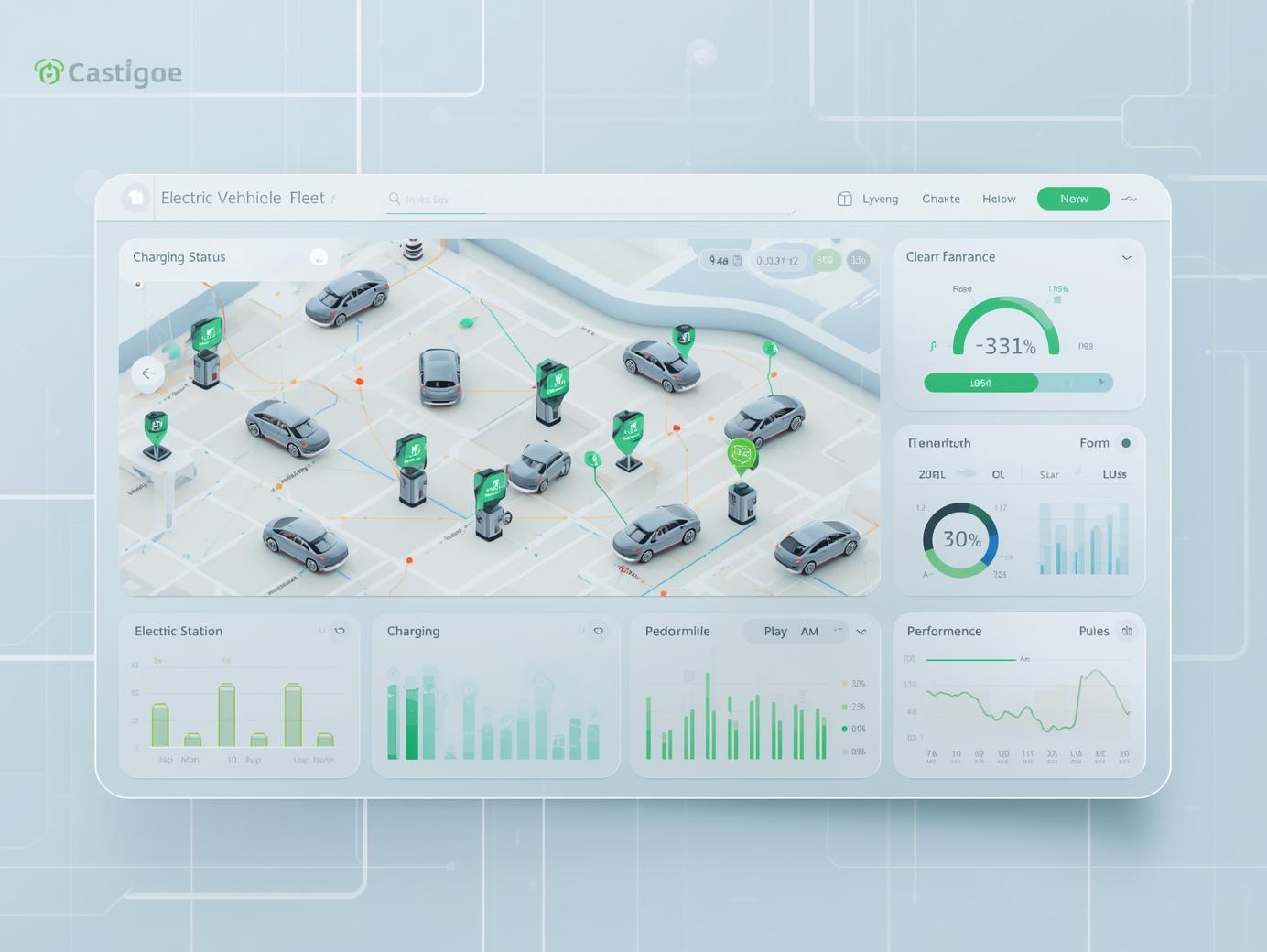
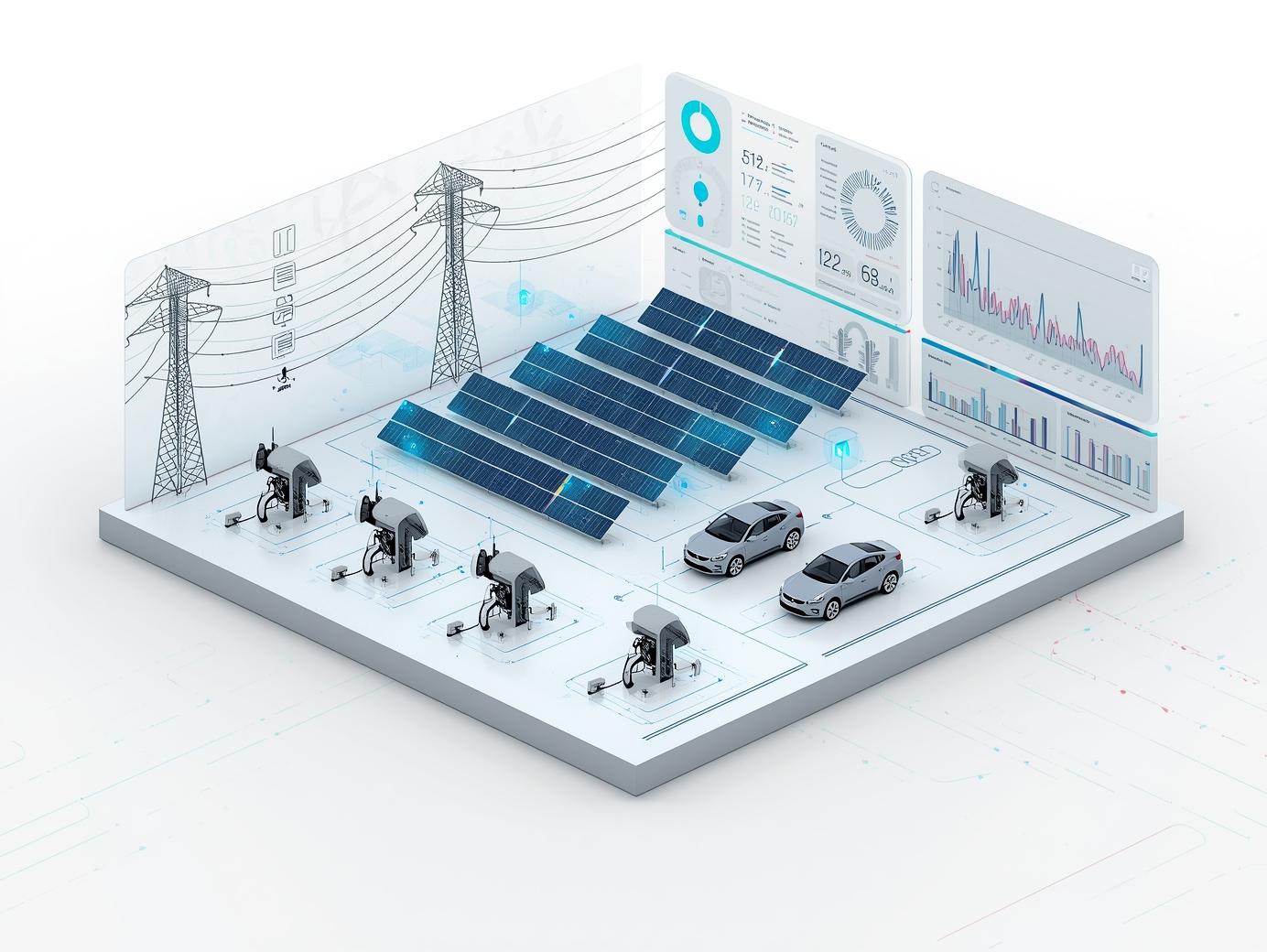
Every vehicle's State of Charge (SOC), battery temperature, and estimated range are visible in real time on the Exohive dashboard. Before assigning a trip, dispatchers can confirm which EVs have sufficient charge for the route — based on actual terrain and historical consumption data, not just manufacturer range claims.
Low SOC alerts fire automatically when a vehicle drops below your configured threshold — whether that's 25% during operations, or 15% at end of shift. This prevents stranded vehicles and unplanned charging stops mid-trip.
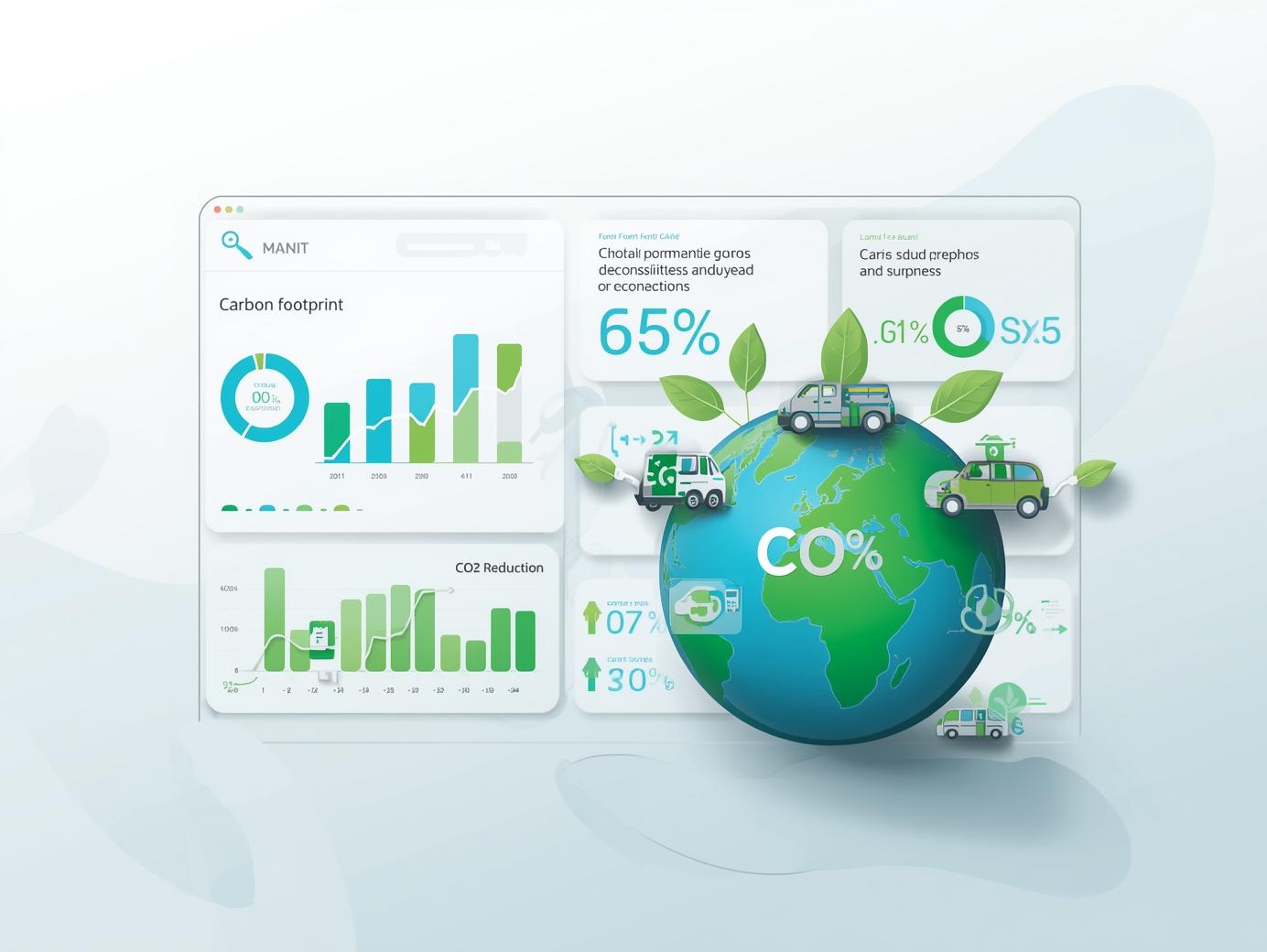
India's corporate sustainability mandates are expanding — BRSR reporting for listed companies, ESG due diligence from institutional investors, green fleet certification requirements from large enterprise clients. Exohive generates monthly sustainability reports showing CO₂ avoided vs. equivalent diesel fleet, energy consumed per km, fleet-level carbon intensity, and total green kilometres.
These aren't just feel-good numbers. They're the documentation your stakeholders, auditors, and tender evaluation committees are starting to demand.
Yes. Exohive connects via OBD-II port or CAN bus integration, which is standardised across most commercial EVs sold in India. For vehicles without standard OBD access, external IoT modules are used. We confirm compatibility during the pre-installation audit.
Absolutely — and this is one of the most common use cases for fleets transitioning to EV gradually. EVs and ICE vehicles appear on the same dashboard. EVs show battery and charging data; ICE vehicles show fuel level and consumption. Fleet operators see everything in one view.
Exohive's range estimate is calculated from actual historical consumption data for each vehicle on your routes — factoring in load, driving behaviour, AC usage, and terrain. After 7–10 days of operation, predictions become highly accurate for your specific environment.
Yes. You can set a target SOC ceiling (e.g., 80% for battery health), and the system will alert you when the vehicle reaches it so the bay can be freed. This is especially useful when charging bays are scarce.
Exohive generates exportable reports with fleet-level energy and emissions data in standard formats. Several clients have used these reports for FAME-II documentation, CSR reporting, and enterprise client green procurement requirements. We can work with you to configure reports to specific tender requirements.